Fabrics and materials
VISCOSE
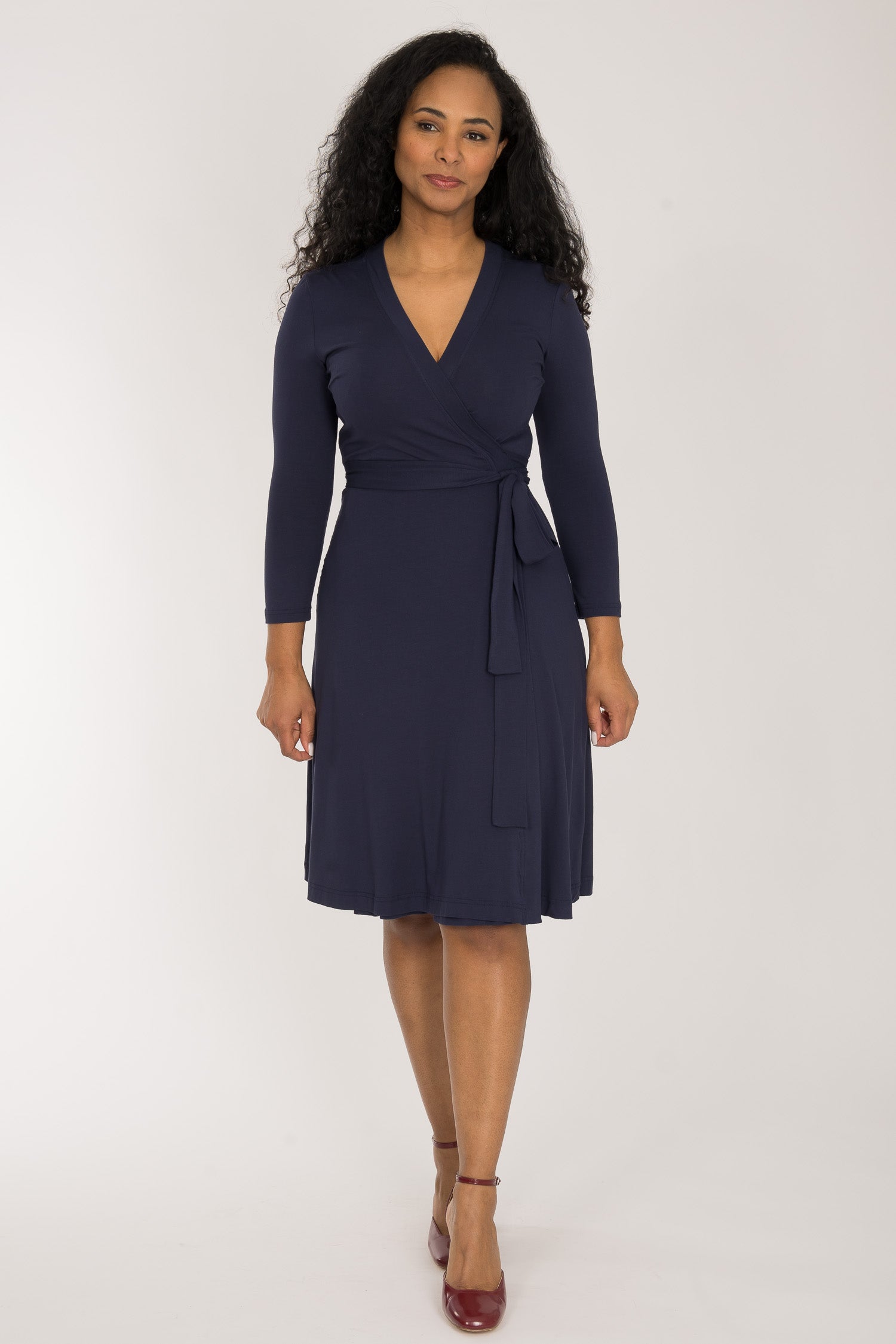
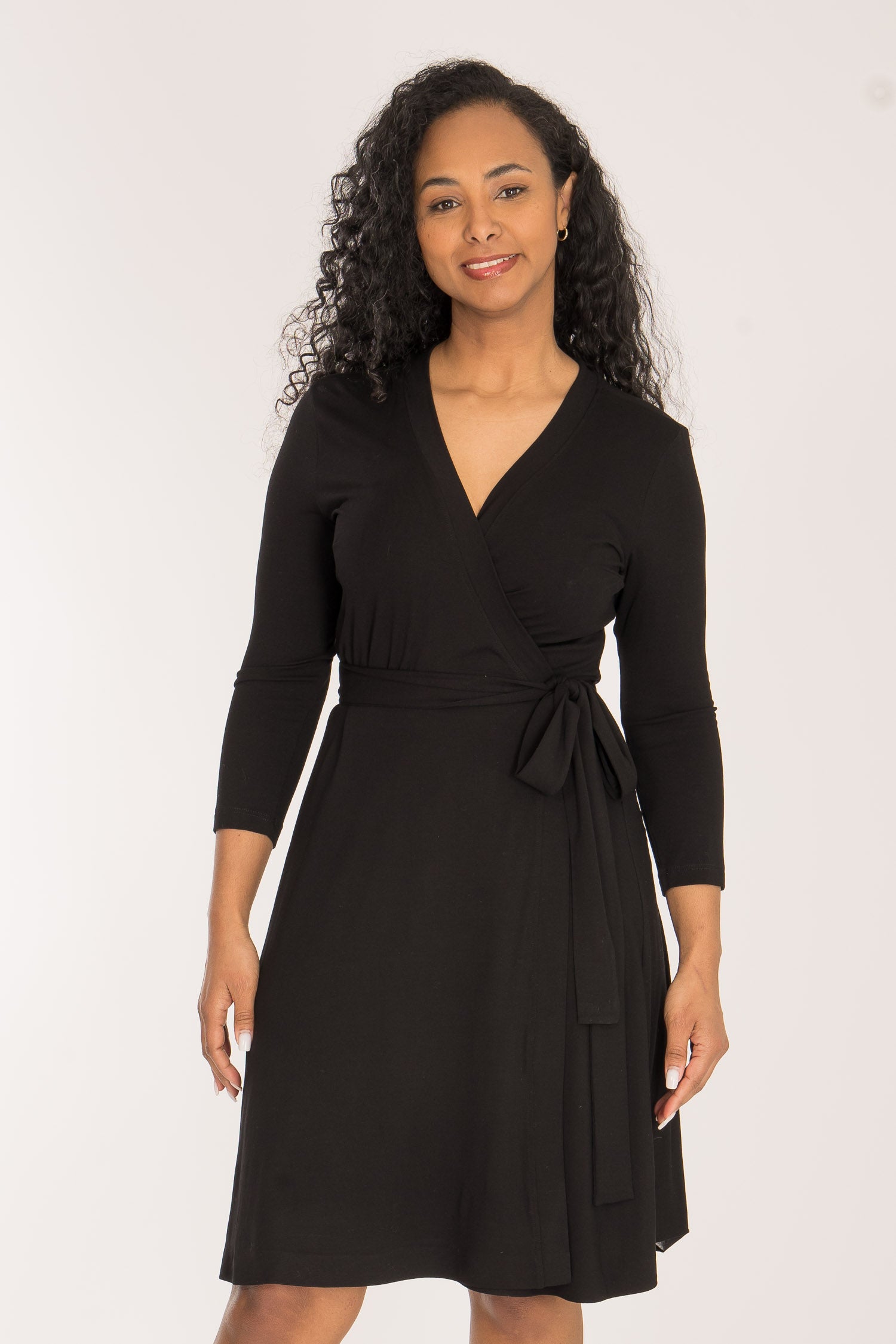
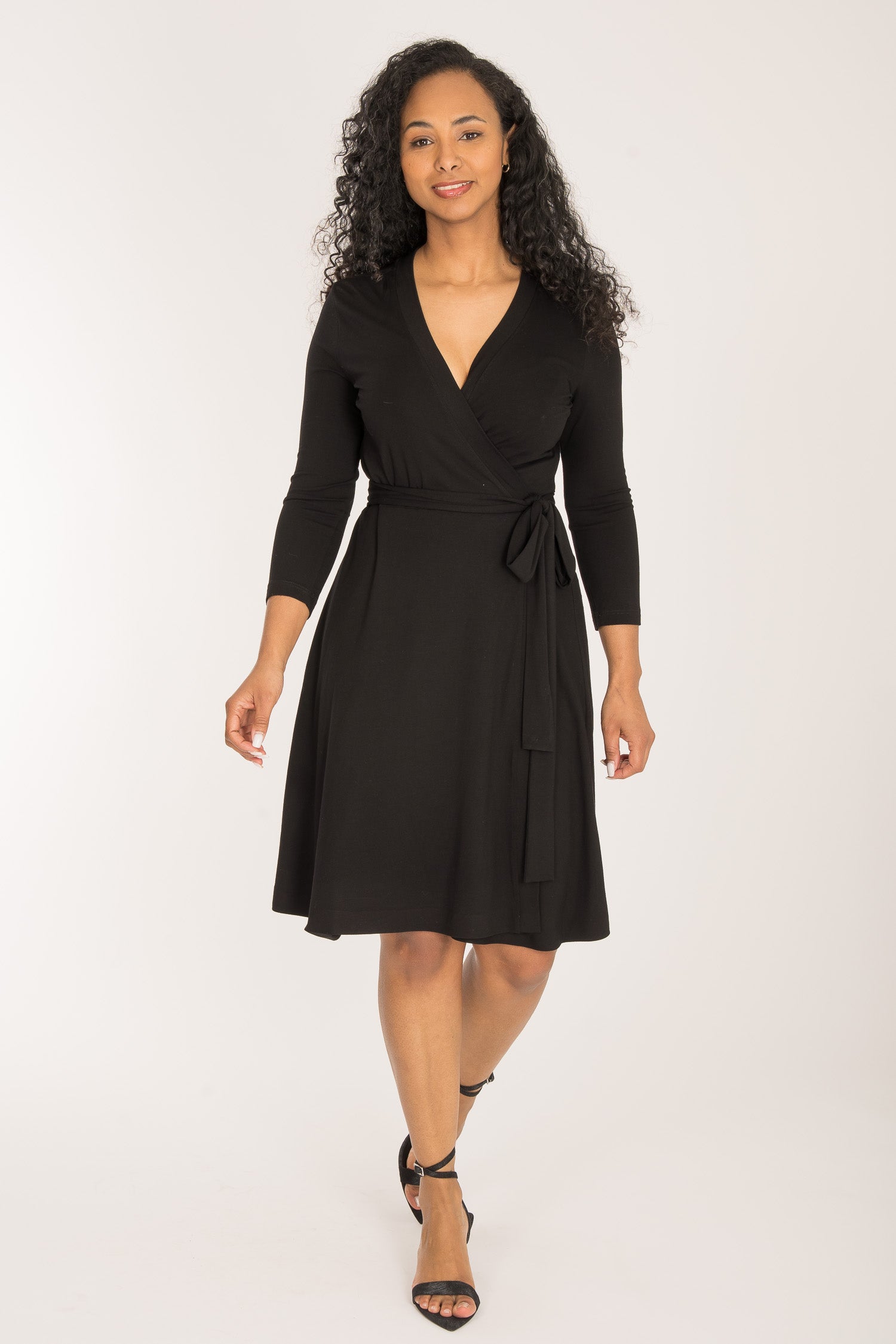
Viscose is a very versatile material that can mimic both the softness of cotton and the sheen of silk. It has a characteristic heavy drape, which makes it particularly suitable for garments such as draped dresses. We like to work with both woven and knitted viscose – the weight of knitted fabrics adds a touch of luxury, while woven viscose is wonderfully soft and can be varied endlessly.
Viscose itself is a regenerated fiber, meaning it is made from cellulose that has been dissolved in a chemical process and then recreated (regenerated) into thin, long fibers. The result is a soft fabric that breathes and absorbs moisture much like cotton and other natural fibers. At the same time, it has a more elegant appearance, as the fibers can be made finer and varied in texture and look. The downside is that it can shrink in the wash (just like cotton), which means the garment may need to be gently reshaped while damp. Lightly ironing the garment while it is still slightly damp can also help restore its shape.
We often choose viscose over cotton and polyester for environmental reasons. Sustainability is a complex issue, and every material has both advantages and disadvantages. However, the large amount of water required and the environmental impact of cotton cultivation can make cotton problematic. Polyester and other synthetic fibers made from fossil (and finite) resources are also not ideal from a sustainability perspective. Viscose can therefore be a better option, as its raw material generally has a lower environmental impact. The main environmental drawback of viscose is the use of chemicals in the production process. For this reason, we also like to use newer regenerated fibers such as cupro or lyocell whenever possible.
Washing instructions:
Wash preferably at 30°C on a gentle cycle to minimize wear on the garment. Turn the garment inside out and close any zippers before washing. Viscose can feel stiff when wet and may need to be gently reshaped and stretched to retain its form. However, be careful, as viscose is weaker when wet than when dry.

MODAL
Modal is very similar to regular viscose. It is a type of viscose that is usually made from beech trees. Among viscose fibers, modal has properties that come closest to cotton.Modal is a more stable fiber than standard viscose, meaning it holds up better in washing. The fibers are longer, which gives the material a particularly soft and smooth feel.
CUPRO
Cupro is also made from cellulose, but instead of wood it is produced from leftover cotton fibers that would otherwise go unused. The manufacturing process is also somewhat simpler and more efficient than the traditional viscose process, requiring fewer and less harmful chemicals.
The material is very soft and fluid, often with a slightly matte, silk-like surface. The fibers are typically longer than those in regular viscose, which results in smooth and refined fabrics. One downside is that the material can be slightly more delicate during washing, as the fibers are not as strong.
LYOCELL
Lyocell is produced in a closed-loop system, which makes it a more environmentally friendly alternative to traditional viscose. This means that significantly less water and chemicals are used in the production process. The chemicals are also recovered and reused in future production cycles, and they are less harmful than those used in the conventional viscose process.
Unlike other viscose fibers, lyocell is a filament fiber. This means the fibers are spun as one continuous thread rather than many small fibers twisted together. The result is a very smooth, soft and refined material.
Lyocell resembles cotton in that it absorbs moisture well and feels soft and cool against the skin, while still having the beautiful drape of viscose. The surface can sometimes feel slightly peach-like or fuzzy. This softness is pleasant, but the fabric may form small pills if handled roughly.
ACETATE
Acetate is also a fiber based on cellulose, but the method used to dissolve the cellulose differs from viscose. In viscose production, alkaline substances are used, while acetate is produced using strong acetic acid. The resulting pulp is then dissolved using acetone, and as the acetone evaporates the material forms thin fibers.
Acetate resembles synthetic fibers in that it is a filament fiber consisting of long, thin strands that can produce light, glossy fabrics. However, acetate is softer and more sensitive to heat. Its main use is in lining fabrics, but it can also be used in other types of light, soft textiles.
Washing:
Preferably wash at 30°C on a gentle cycle to minimize wear. Turn garments inside out and close any zippers. It can be ironed on low heat, but should not be stretched after washing, as the fibers are delicate when wet.
COTTON
Cotton is our most common natural fiber. It breathes well, regulates temperature effectively and is durable both in washing and everyday wear. However, cotton often shrinks in the wash, though it can sometimes be gently stretched back into shape while damp.
Cotton is an extremely useful fiber, but conventionally grown cotton poses several environmental challenges. It requires large amounts of water and chemicals, working conditions for cotton pickers can be difficult to monitor, and large cotton plantations can deplete the surrounding ecosystems.
For this reason, we are pleased that better alternatives have become available in recent years.
Organic cotton is produced without pesticides and generally with less water than conventional cotton. It is a better option for the environment, although supply is still much lower than demand.
Recycled cotton is another more sustainable alternative. It consists of fibers from used garments that are blended with either new cotton fibers or other materials. These recycled fibers are often shorter and more difficult to spin, which is why they usually work best when blended with longer fibers.
Washing:
Cotton tolerates high temperatures and is actually stronger when wet than when dry. Depending on the garment and fabric construction, cotton can often be washed at temperatures up to 60°C, though shrinkage may occur. Cotton can be ironed at high temperatures. It wrinkles easily and dries relatively slowly.
LINEN
Linen is one of our oldest natural materials. The fibers used for fabric are found inside the flax plant, between the woody outer layer and the core. To extract the fibers, the flax is laid outdoors or placed in water so the woody parts can decompose. This process can also be accelerated in controlled environments using moisture and chemicals, although this often results in lower-quality fibers.
Once the woody parts have broken down, the flax is dried. When completely dry, it is processed with various tools to remove the remaining hard materials. The fibers are broken, bent and combed through increasingly fine combs until only the longest fibers remain. These are then spun into yarn. The shorter fibers removed during processing can be used in other applications such as insulation or composite materials.
Linen is a high-quality natural material. It absorbs moisture even better than cotton but dries faster because it also transports moisture away from the body, much like wool. Linen is stronger when wet, but when dry it is actually stronger than cotton.
The fibers are long and slightly lustrous, which creates smoother fabrics with a natural sheen. However, linen wrinkles easily and can be difficult to smooth again if the fibers have been sharply creased.
Linen is considered an environmentally friendly fiber. It requires relatively little water during cultivation and production, and it generally needs fewer pesticides and fertilizers. It can also be grown in many regions with a sufficiently moist climate. However, the cultivation and processing are relatively slow and labor-intensive, which contributes to the higher price.
Washing:
Linen can often be washed at temperatures up to 60°C, depending on the fabric construction. Because the fibers are sensitive to mechanical stress and can break, linen should never be tumble dried. This can damage its natural sheen and smooth surface. Linen can be ironed at high temperatures with plenty of steam, and ideally also pressed with a mangle if available.

POLYESTER
Polyester is a synthetic fiber made from fossil-based materials. It is a very common material that can be given a wide range of properties. It is durable and absorbs very little moisture, which makes it suitable for example in sportswear. Lightweight dress fabrics and chiffons are often made of polyester, as the fibers can be made thin while still being relatively strong and affordable.
Polyester is often blended with cotton to create fabrics that are both soft and durable, such as in shirts. Because polyester is a synthetic material, it can be shaped using heat and given permanent effects – for example pleats or crimped fibers that create a wool-like texture.
One downside of polyester is that it does not breathe very well, which can make it feel warm and sweaty to wear. It is also made from finite fossil resources that have a significant negative environmental impact.
Recycled polyester is a more sustainable alternative. Many people first think of fleece made from PET bottles, but recycled polyester is now available in many different fabric qualities. While it is still not biodegradable, it does avoid the use of newly extracted fossil resources.
Washing:
Preferably wash at 30°C on a gentle cycle to minimize wear. Polyester and other synthetic fibers may release microplastics during washing, so garments should be washed less frequently and as gently as possible. Turn garments inside out and close zippers before washing. Polyester is thermoplastic, meaning it can melt at high temperatures. It tolerates ironing fairly well, but high heat can damage or melt the fibers.
POLYAMIDE
Polyamide is also known as nylon. Like polyester, it is a synthetic fiber made from fossil-based materials. Polyamide was the first synthetic fiber developed and is extremely strong, although polyester has largely replaced it in many uses today.
It is commonly used in sportswear, swimwear and similar garments. It is often combined with elastane in fabrics that require both strength and stretch, such as elastic bands. Many lace fabrics are also made from polyamide, as the fibers can be very thin while still strong.
Washing:
Preferably wash at 30°C on a gentle cycle. Synthetic fibers such as polyester and polyamide may release microplastics during washing, so garments should be washed sparingly and gently. Turn garments inside out and close zippers before washing. Like polyester, polyamide is thermoplastic and can be damaged by high heat.
ELASTANE
Elastane is a synthetic fiber based on fossil materials, similar to polyester and polyamide. What makes it different is its elasticity — it can stretch up to six times its original length. Because of this, elastane is used in small amounts in fabrics that need stretch and the ability to quickly return to their original shape.
Elastane is often called Lycra, which is actually a brand name for the elastane fiber. It was originally developed as a replacement for rubber, which cannot be dyed and tends to break down over time. Elastane tolerates dry heat, is relatively strong and can be dyed.
One disadvantage is that elastane can be damaged by sunlight and chlorine. This is often noticeable in swimwear that has been used frequently in pools and dried outdoors. The elastane fibers may break down and appear as thin threads sticking out from the fabric.
The elasticity comes from the structure of the fiber, which consists of both rigid and flexible segments. The flexible parts behave like tangled elastic bands that stretch under tension and return to their original state when the tension is released.
In most fashion fabrics, elastane is used in small amounts — typically around 2–10% — to provide elasticity. Higher percentages are used in sportswear or shaping garments. The most common method is to use elastane as a core fiber, with the main fiber spun around it. This allows the fabric to feel like the main fiber but with added stretch.
Washing:
Since elastane usually makes up only a small percentage of the fabric, washing instructions are mainly determined by the main fiber. However, elastane is more sensitive than cotton, which means fabrics containing elastane should be washed more gently. Drying is also important — elastane tolerates dry heat fairly well, but heat combined with moisture can damage the fiber. For this reason, tumble drying stretch fabrics is generally not recommended. Fabric softener should also be avoided, as it binds moisture in the garment.
KNITTED / WOVEN FABRICS
Garments are often described as either woven or knitted. Woven fabrics are generally firm and non-stretchy, while knitted fabrics are usually more elastic. However, the distinction is not always that simple — many woven fabrics can be quite stretchy, and some knitted fabrics can be fairly stable.
What determines whether a fabric is woven or knitted is the way it is constructed.
A woven fabric is created by interlacing vertical threads (warp) and horizontal threads (weft) on a loom. The weave structure can vary, creating different textures and patterns, but woven fabrics are generally more stable.
A knitted fabric is created using a knitting machine with many small needles that form loops of yarn. When people hear the word “knit,” they often think of thicker garments like sweaters and scarves, but lightweight fabrics such as t-shirts and leggings are also knitted. A fabric made from loops is knitted, while a fabric made from warp and weft threads is woven.
Stretchy woven garments usually contain a small percentage of elastane. It is also possible to create mechanical stretch without elastane through certain weaving techniques or yarn constructions that give the fabric elasticity.
Woven and knitted garments should be treated slightly differently. Knitted fabrics are often more delicate in washing and may shrink or twist. Tumble drying is generally not recommended for knitted garments, as they may lose their shape or shrink.

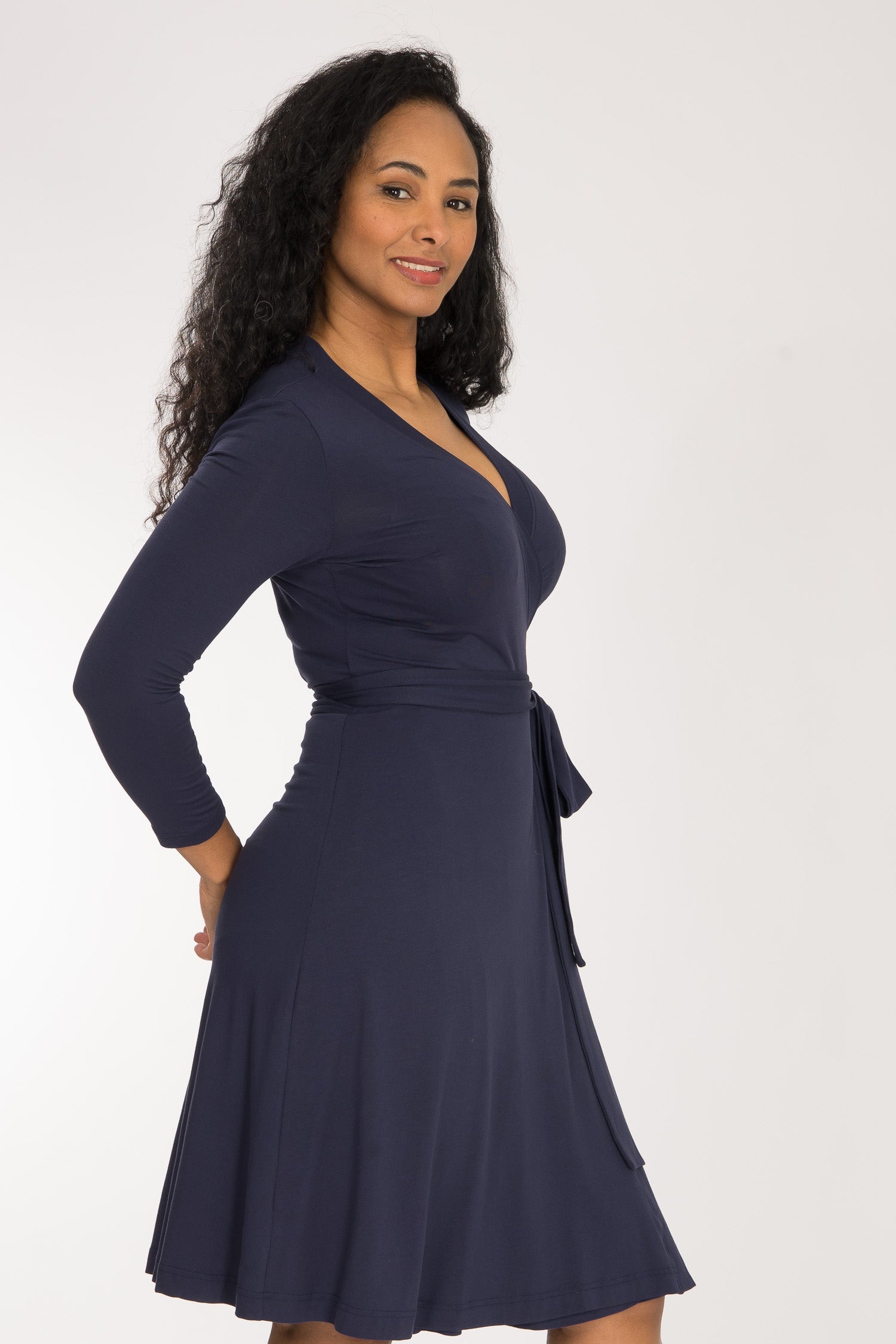
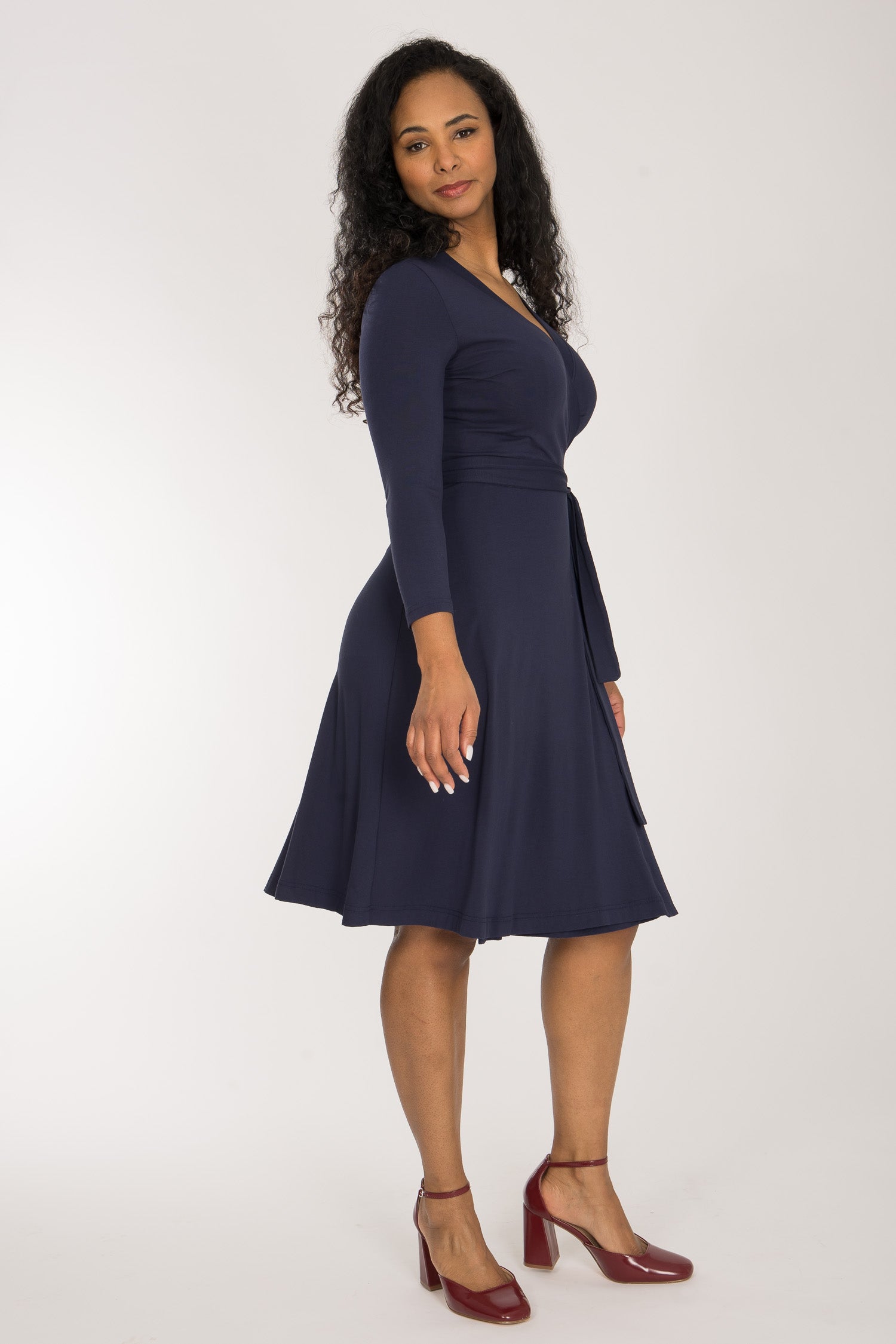
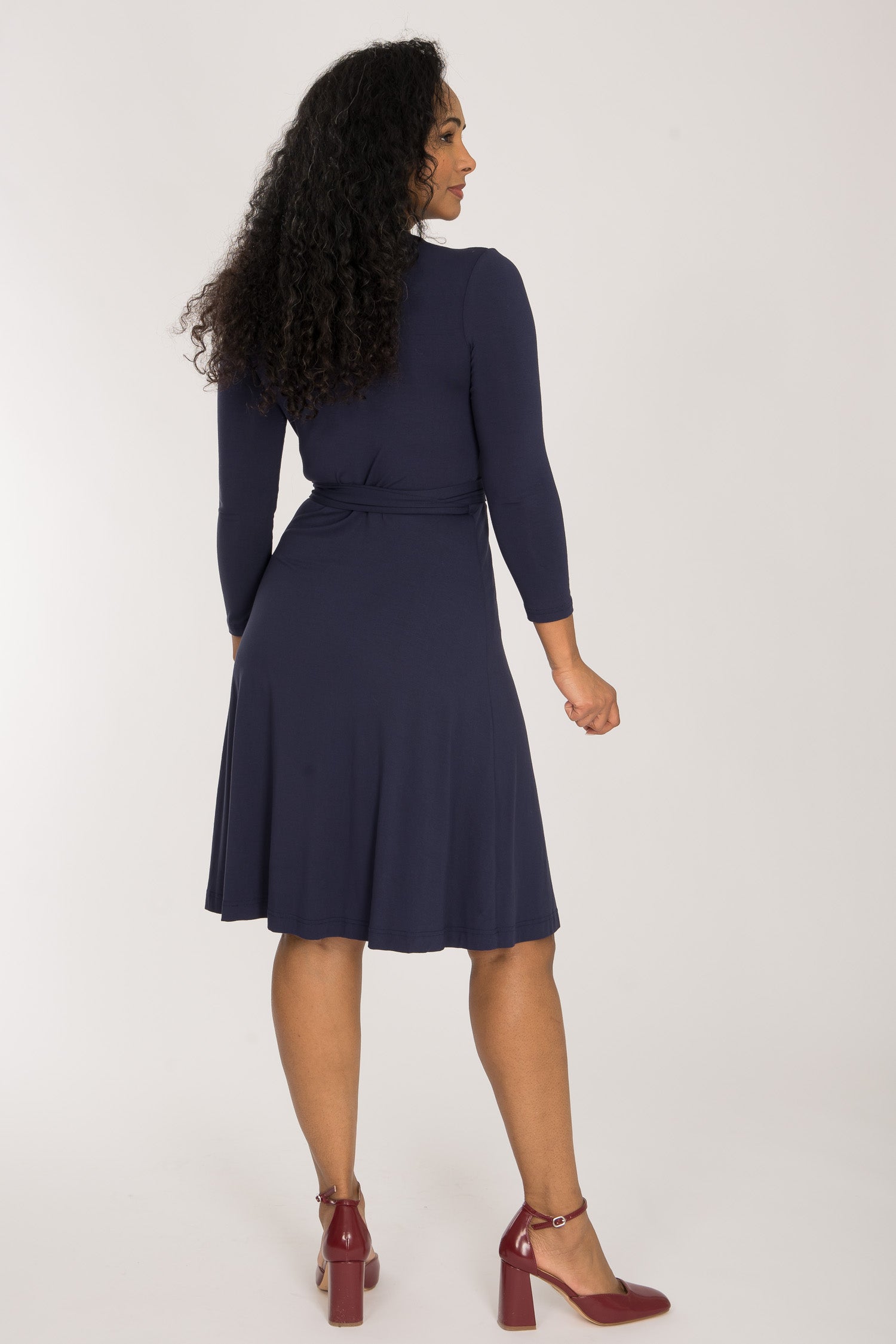
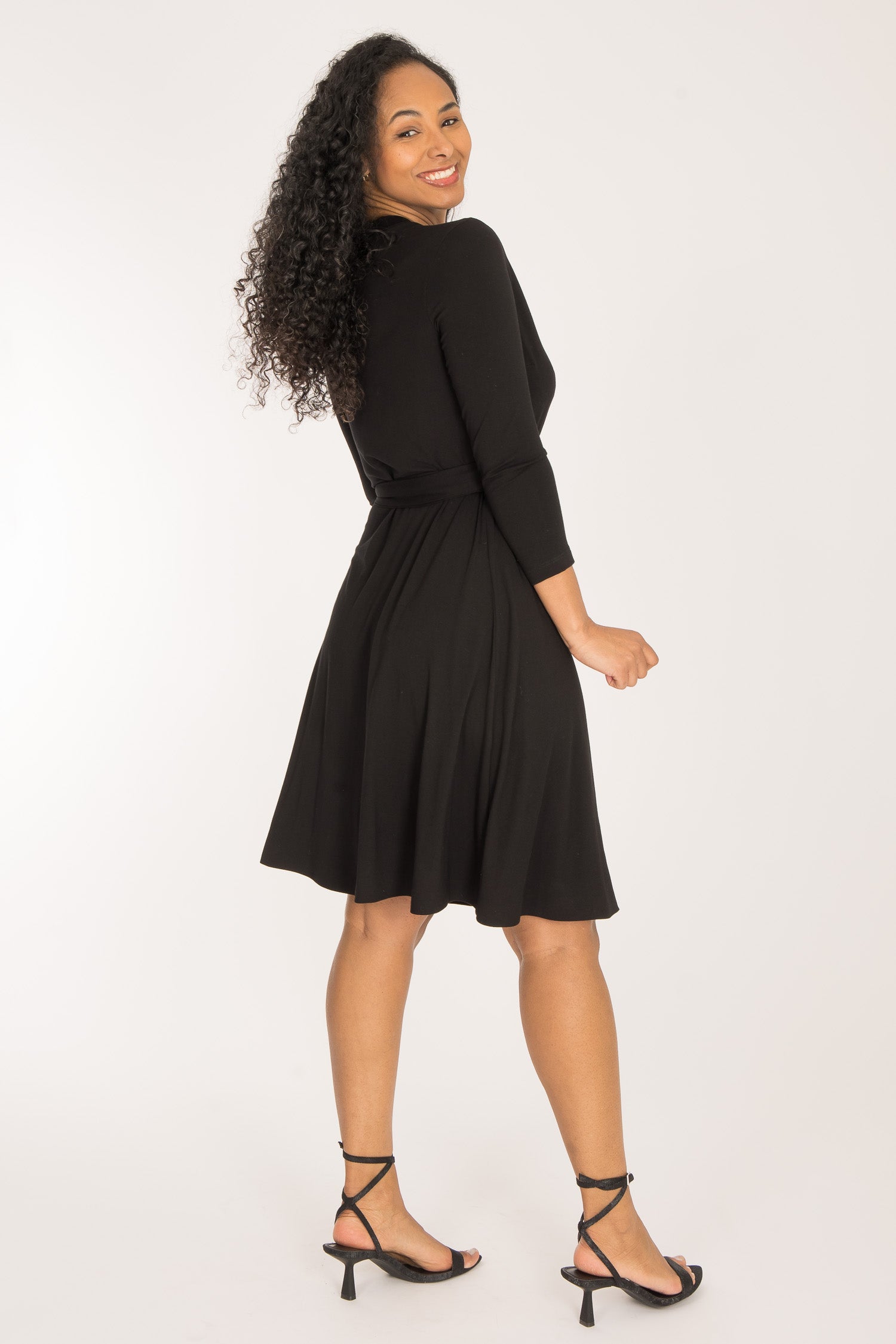
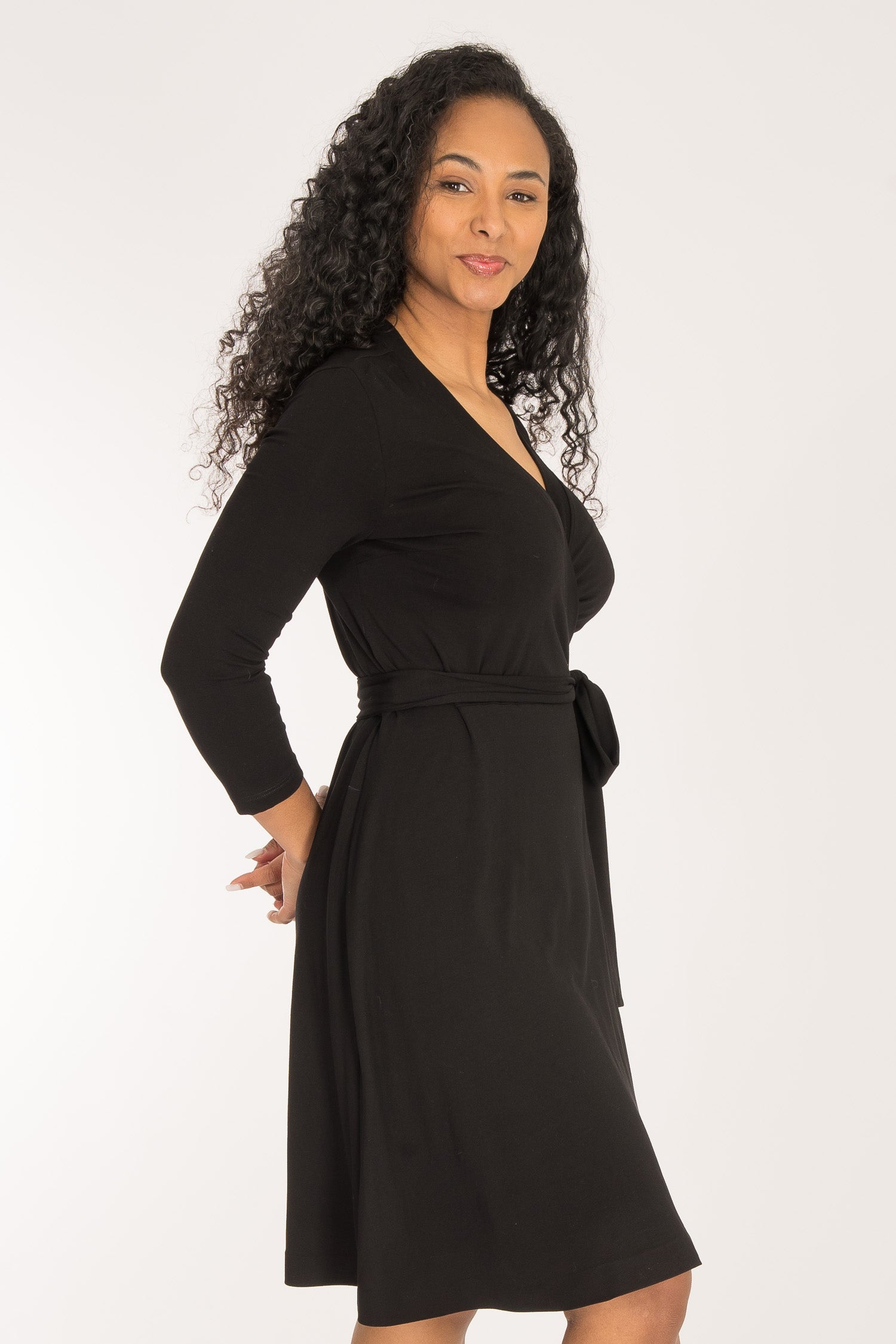
Our wrap dresses
Pure Female’s wrap dresses are designed to provide a perfect fit, with extra fabric over the bust and skirt so the dress stays in place and sits beautifully around the neck and shoulders. Each wrap dress model has its own design, some tie at the side, others around the waist, but all with the same attention to shape and silhouette. Our wrap dresses return in new colors and prints each season, so you can always find your favorite.